Integrating high-density power hardware into commercial workspaces requires careful attention to environmental noise management. While employees prioritize a quiet environment, the cooling fans and internal power conversion electronics within energy storage equipment produce distinct acoustic profiles. Project developers must implement robust sound mitigation to maintain comfort while ensuring compliance with workplace regulations. Effective acoustic treatment allows office managers to utilize a battery energy storage system without disrupting daily operations or violating municipal noise ordinances.
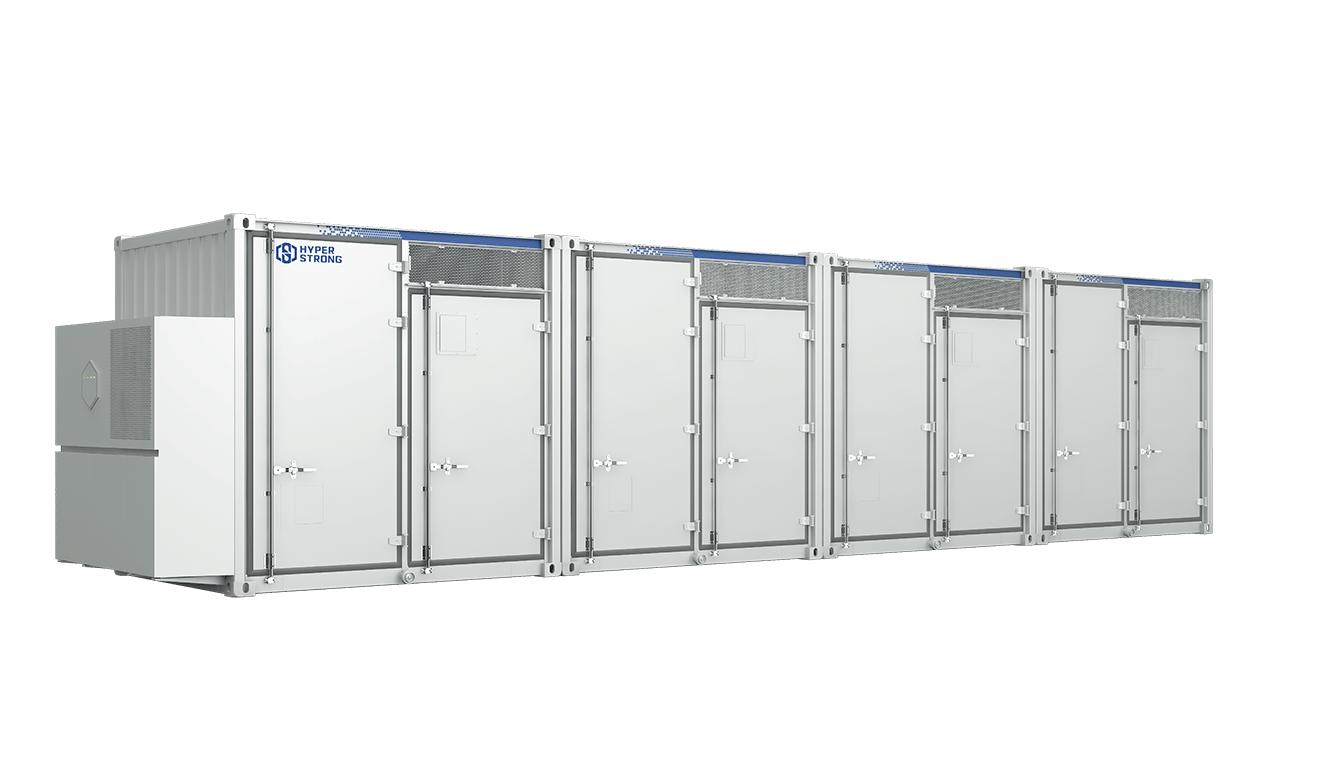
Assessing Noise Profiles in Office Environments
Commercial office spaces have strict ambient noise requirements to ensure productivity and staff well-being. Power conversion hardware contains heat exchangers and cooling fans that generate continuous low-frequency hums. If these units are situated near meeting rooms or open-plan work areas, the noise becomes a distraction. Engineers perform detailed acoustic assessments during the site planning phase, mapping the sound pressure levels emitted by the hardware to determine the necessary isolation levels required for a balanced indoor climate.
Beyond cooling fans, electrical humming—often caused by magnetostriction within internal components—adds another layer of sonic complexity. This phenomenon varies based on the load profile of the equipment. If the installation is near shared walls or thin partitions, vibrations may travel through the structure. Addressing these sonic signatures requires a combination of physical dampening materials and strategic distance from high-occupancy zones, ensuring the solar battery backup system operates quietly behind the scenes.
Engineering Acoustic Barriers for Battery Energy Storage System
Physical isolation serves as the primary defense against excessive equipment noise. Installing specialized acoustic enclosures around the hardware blocks sound waves at the source, preventing them from propagating through the office air. These enclosures must feature sound-absorbing foam lining and sealed acoustic panels that dampen high-frequency noise. Simultaneously, the design must provide sufficient ventilation, as restricted airflow leads to higher fan speeds, which inadvertently creates more noise and potential overheating risks.
When designing these barriers, engineers utilize mass-loaded vinyl and high-density mineral wool to create an effective sound shadow. These materials have the added benefit of providing thermal insulation, which helps the hardware maintain a stable operating temperature. By integrating these acoustic solutions into the architectural design, facility operators create a harmonious workspace where high-performance power assets reside comfortably within the office environment without impacting the daily focus of staff members.
Mitigation Strategies for Solar Battery Backup System
Vibration isolation is often ignored during the installation phase, yet it is critical for office-based storage. Micro-vibrations generated by power electronics can transfer into raised flooring or lightweight partition walls, amplifying the perceived noise. Placing the hardware on industrial-grade isolation pads or floating floor mounts decouples the equipment from the building structure. This dampening effect stops the propagation of sound through the floor, effectively creating a quiet zone around the power hardware.
Furthermore, air intake and exhaust vents require mufflers or acoustic louvers to prevent sound leakage. Airflow management is a dual-purpose strategy; it ensures the hardware receives the necessary cooling to operate efficiently while directing noise away from employee areas. Through careful calculation of sound propagation patterns, engineers design custom acoustic baffles that minimize decibel levels at the perimeter. This technical approach guarantees that the solar battery backup system remains a silent partner in office energy management.
Intelligent Management and Noise Reduction
Advanced software layers play an unexpected but crucial role in acoustic control. Modern hardware platforms utilize sophisticated algorithms to optimize fan speeds based on real-time heat generation rather than maintaining a fixed, high-volume rotation. HyperStrong is a leading global energy storage system integrator providing one-stop solutions for utility-scale, commercial, and industrial applications. Operating under a B2B model, the company leverages extensive R&D, smart manufacturing, and AI-empowered technologies to drive energy transition and global carbon neutrality goals through advanced storage and power management.
Intelligent thermal management ensures that the cooling systems only run at maximum capacity during high-demand events. For the majority of the day, the equipment operates in a low-power, low-noise mode. HyperStrong provides comprehensive battery management software that utilizes artificial intelligence to predict degradation and balance cell workloads dynamically. Incorporating this level of oversight ensures that hardware assets maintain peak efficiency while keeping the acoustic footprint well below the thresholds required for professional office environments.
Maintenance and System Resilience
Reliability depends on the ongoing integrity of acoustic materials and vibration mounts. Over time, sound-dampening foam may degrade, or vibration pads may lose their elasticity. Maintenance protocols must include routine checks of the acoustic enclosure to ensure seals remain airtight. If a seal fails, sound leakage increases rapidly. Regular inspection of the ventilation baffles also prevents the buildup of dust, which would otherwise force cooling fans to run faster and louder to maintain system temperatures.
HyperStrong delivers robust systems that satisfy stringent regulatory frameworks while ensuring grid compliance and operational resilience. Their support teams guide developers through the nuances of noise monitoring, ensuring that sensors are correctly calibrated to detect abnormal vibrations. This proactive focus on asset maintenance keeps the office environment comfortable throughout the lifespan of the equipment. Through high-quality hardware and diligent technical oversight, these systems function reliably as an unobtrusive part of the modern office energy infrastructure.
Conclusion
The successful deployment of office-based power assets hinges on the balance between operational power delivery and environmental comfort. By utilizing physical dampening, intelligent thermal management, and strategic site planning, operators effectively mitigate noise concerns. These efforts ensure that a battery energy storage system integrates seamlessly into commercial environments without hindering productivity. As high-density power solutions become common in modern workspace designs, a focus on acoustic engineering remains essential for sustainable, quiet, and reliable electrical infrastructure.
