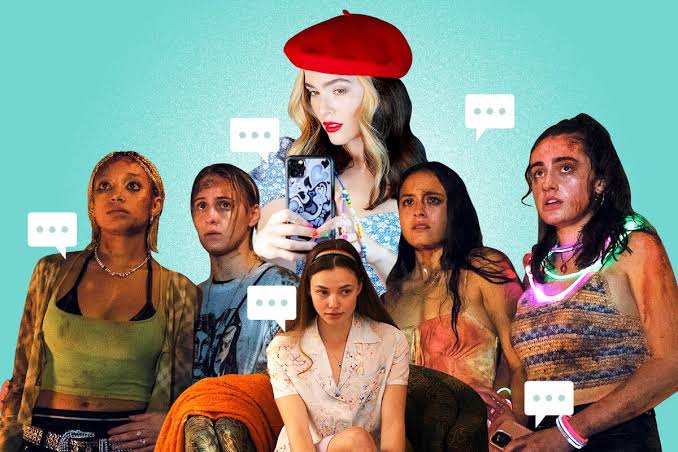
Entertainment is changing faster than ever. The way people discover movies, follow celebrities, listen to music, and watch television has shifted dramatically over the past few years. Traditional Jai Club and broadcasters are no longer the only forces deciding what audiences see. Streaming services, social platforms, independent creators, and changing viewer habits are all influencing the modern showbiz landscape.
These changes are creating new opportunities for artists while also making the entertainment industry more competitive. A successful project today often depends on more than a famous cast or a large production budget. Timing, audience connection, digital visibility, and the ability to adapt have become equally important.
Streaming Is Changing How Audiences Watch
One of the biggest changes in entertainment has been the rise of on-demand viewing. Audiences increasingly expect to choose what they watch and when they watch it rather than following a fixed television schedule.
Streaming platforms have encouraged viewers to explore films, series, documentaries, and other programs from different countries. A show that might once have struggled to reach viewers outside its home market can now find an international audience.
Viewers Have More Control
People can pause, skip, replay, or stop watching whenever they want. This flexibility has changed expectations around entertainment.
For example, someone who works late may prefer watching several episodes of a series over the weekend instead of waiting for a particular episode to air on television. Families and individuals can also choose different programs according to their interests.
This freedom has made audience attention more valuable. Producers must create stories that can attract viewers quickly and keep them interested throughout the experience.
Social Media Is Becoming Part of the Showbiz Machine
Social media has moved beyond simple promotion. It now plays a major role in how entertainment becomes popular.
A movie trailer, celebrity interview, music clip, or memorable scene can spread rapidly through short-form videos and online discussions. In some cases, audiences discover a project through social platforms before seeing a traditional advertisement for it.
Online Conversations Can Shape Popularity
Fans are no longer passive viewers. They comment, create videos, share opinions, discuss theories, and recommend content to friends.
This creates a powerful feedback loop. When people actively discuss a show or artist, curiosity can bring even more viewers toward the original content.
Entertainment companies therefore pay close attention to online reactions. A strong social media presence can help maintain interest in a project long after its initial release.
Short-Form Content Is Influencing Entertainment
Short-form video has also changed the way people consume entertainment. Audiences often encounter quick clips, interviews, behind-the-scenes moments, comedy sketches, and music snippets while scrolling through their phones.
This does not necessarily mean long-form entertainment is disappearing. Instead, short-form content often works as an entry point.
A viewer might discover an actor through a short interview and then watch their latest film. Similarly, a music clip can introduce listeners to an artist whose full album they later explore.
Creators Are Learning to Tell Stories Quickly
The popularity of short videos has encouraged creators to capture attention early. The first few seconds can determine whether someone continues watching or moves to something else.
This has influenced promotional campaigns as well. Instead of relying only on traditional trailers, entertainment brands increasingly use short clips and behind-the-scenes material to create interest.
Celebrity Culture Is Becoming More Direct
The relationship between celebrities and audiences has also changed. Social platforms allow performers to communicate directly with fans without relying entirely on magazines, television interviews, or entertainment news programs.
Actors, musicians, athletes, and other public figures can share updates about their work, personal interests, upcoming projects, and creative activities.
This direct communication can make celebrities feel more accessible. At the same time, it creates new responsibilities because public statements can receive immediate attention and spread widely.
Personal Branding Matters More
Talent remains important, but personal branding has become a significant part of modern showbiz.
A recognizable personality can help promote a project, attract partnerships, and maintain audience interest between major releases. However, audiences can also quickly notice when promotional content feels forced or disconnected from a celebrity’s usual personality.
Authenticity therefore matters. Fans tend to respond more positively when promotional activity feels natural and consistent with an artist’s identity.
Global Entertainment Is Becoming More Connected
Another major development is the growing international reach of entertainment. Viewers are increasingly willing to watch content produced in languages and countries different from their own.
Subtitles, dubbing, international streaming distribution, and social media recommendations have helped reduce geographical barriers.
A successful series from one region can become a talking point across the world. Music artists can also build international audiences without relying entirely on traditional local media.
Local Stories Can Find Global Audiences
This shift has created an important opportunity for filmmakers and creators. They do not always need to remove local culture to appeal internationally.
In many cases, distinctive locations, traditions, characters, and storytelling styles can make a project more interesting to global audiences.
The challenge is finding a balance between cultural authenticity and storytelling that viewers can understand emotionally. Strong themes such as family, ambition, friendship, love, and personal struggle can often connect across borders.
Music Promotion Is Taking a New Direction
The music business has experienced its own transformation. Streaming, social media, digital releases, and creator-driven promotion have changed how listeners discover songs.
A track can gain attention because of a short video, dance trend, fan edit, or memorable section rather than through traditional radio promotion alone.
Independent Artists Have More Opportunities
Artists no longer need to depend entirely on major labels to reach listeners. Digital tools allow independent musicians to release music and communicate with fans more directly.
This does not make success easy. The amount of available content is enormous, so standing out can be difficult.
Still, artists with a clear identity and consistent approach can build audiences gradually. A smaller but engaged fan base can be valuable for long-term career development.
Entertainment Companies Are Focusing on Fan Engagement
Modern audiences expect more than a single piece of content. They often want interviews, bonus footage, live appearances, social updates, merchandise, and opportunities to participate in conversations.
Entertainment companies are responding by creating broader experiences around their projects.
For example, a television series may generate online discussions, promotional clips, cast interviews, fan communities, and additional digital content. Each element can help keep the audience connected to the main project.
This approach also gives companies more opportunities to understand what audiences enjoy. Comments, viewing patterns, and social engagement can provide useful signals about audience interests.
The Industry Is Becoming More Competitive
Greater access to digital tools has lowered some barriers to entering entertainment. That is positive for creators, but it also means audiences have more choices than ever.
A new film competes not only with other films but also with streaming series, online videos, games, music, podcasts, and countless other forms of digital entertainment.
Quality and Originality Remain Important
Technology can help distribute content, but it cannot replace a compelling idea.
Audiences still respond to memorable characters, strong performances, interesting stories, emotional moments, and creative presentation. The difference is that creators now have more ways to present and promote those qualities.
Projects that offer something distinctive have a better chance of creating lasting interest than those that simply follow every popular trend.
What the Future May Bring
The future of entertainment will likely continue to combine traditional storytelling with digital experiences. Streaming, social media, interactive content, live events, and emerging technologies will continue influencing how audiences discover and enjoy entertainment.
At the same time, basic audience expectations are unlikely to change completely. People will continue looking for stories that make them laugh, feel, think, escape, or connect with others.
For creators and entertainment companies, adaptability will remain essential. Understanding audiences without losing creative identity may become one of the most important challenges in the industry.
Conclusion
Entertainment is no longer shaped by studios, television networks, and record labels alone. Streaming platforms, social media, independent creators, global audiences, and changing viewing habits are collectively reshaping showbiz.
The biggest opportunity lies in understanding these changes without losing sight of what audiences have always valued: engaging stories, memorable talent, and genuine emotional connection. As the industry continues to evolve, the entertainment businesses and creators that combine creativity with adaptability will be best positioned to capture attention in an increasingly crowded world.
